Lesson #48: Nouns in The Oblique Case
So back in Lesson #38 I introduced you all to nouns in Hindi, can you remember? We learnt a few important things in that lesson - one of the most important was that all Hindi nouns are either Masculine or Feminine. Remember yeah? Then in Lesson #39 we saw how to change these nouns in the plural form, so for example we saw that the plural of लड़की larkee - girl is लड़कियाँ larkiyaan - girls!
If your memory of those lessons is a little hazy (don’t worry it happens to the best of us!) then head back and read over them a few more times because we’re going to be using everything we’ve learnt!
Anyway, enough of the old time for something new. Today we’re going to learn how to change Hindi nouns into the Oblique case. Now firstly I bet you’re sat there thinking “wait, what the hell is the oblique case and why do I need to know it?”. Well don’t you worry I’ll explain all that as we go along!

Today’s lesson might be a little tricky to get your head round at first but don’t worry, you’ll soon get there!
Let’s look at English for a second and a very simple sentence like ‘he is tall’. That’s quite an easy sentence yeah? But what happens when we say 'give him the food’. Can you see how 'he’ has changed to 'him’? The word 'him’ is the oblique case of the word 'he’ in English, and Hindi works in a very similar way!
Anyway, try not worry too much for now about why and how we use the oblique case, we’ll learn a lot more about that in Lesson #50. Today we’re just going to learn how to change nouns into the oblique case. So are you ready?
We’re going to break all the nouns down into 4 groups, just like we did in Lesson #39. Don’t worry if you’ve forgot what the groups are since we’ll recall them as we go! For each group we just learn one simple rule and that’s it! So let’s get to it
Masculine Nouns
For Masculine Type 1 Nouns: (If the noun ends with आ -aa)
Singular Case. We simply drop the आ aa from the end of the noun and add an ए e. So for example…

लड़का larkaa - 'Boy’ in the oblique case becomes लड़के larke.

केला kelaa - 'Banana’ in the oblique case becomes केले kele.
Plural case. Here We simply drop the ए e from the end of the noun and add an ओं on. So for example, looking at the same words just above, we have…

लड़के larke - 'Boys’ in the oblique case becomes लड़कों larkon.

केले kele - 'Bananas’ in the oblique case becomes केलों kelon.
Phew got that so far? Can you see that in fact the oblique case of the singular form is actually the same as the plural form of the word? That can make it a little confusing so try not get mixed up! Ready to carry on?
For Masculine Type 2 Nouns: (If the noun ends with anything else)
Singular Case. This one is the easiest ever - the word doesn’t change at all! So for example…

पलंग palang - 'Bed’ in the oblique case stays exactly the same!
Plural Case: This case is also quite straight forward, we simply add ओं on to the end of the word! So we have, for example…

पलंग palang - 'Beds’ in the oblique case becomes पलंगों palangon

अनानास anaanaas - 'Pineapples’ in the oblique case becomes अनानासों anaanaason
Phew are you still following? That’s all Masculine nouns done so we’re half way there! I know this lesson is very long but don’t worry we can do it! Ready to learn about Feminine nouns? Great, here goes!
Feminine Nouns
For Feminine Type 1 Nouns: (If the noun ends with ई -ee)
Singular Case: This is another super easy one - the word doesn’t change at all! So for example…

चाबी caabee- 'Key’ in the oblique case stays exactly the same
Plural Case: In this case we drop the इयाँ iyaan from the end of the word and add इयों iyon. So for example…

चाबियाँ caabiyaan - 'Keys’ in the oblique becomes चाबियों caabiyon
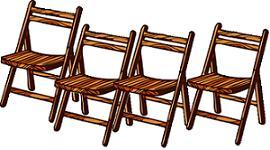
कुरसियाँ kursiyaan - 'Chairs’ in the oblique becomes कुरसियों kursiyon
Still with me? Good! Ok one last final section to go ready?
For Feminine Type 2 Nouns: (If the noun ends with anything else)
Singular Case: This is another super easy one because the word doesn’t change! For example…

किताब kitaab - 'Book’ stays exactly the same in the oblique!
Plural Case: Here we simply drop the एँ en from the end of the word and add ओं on! So for example…

किताबें kitaaben - 'Books’ in the oblique becomes किताबों kitaabon
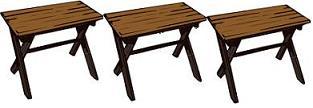
मेज़ें mezen - 'Tables’ in the oblique becomes मेज़ों mezon
Phew, have a deep deep breath! That’s everything! I know this lesson has been very long but hopefully you now know how to change any Hindi noun into the oblique case, just by following these few simple rules! If you have any questions please feel free to ask in the comments section just below.
Want to test how well you know it? Try changing these 5 Hindi words into the oblique case. Leave a comment below with your answer! If you get a little stuck start by figuring out which group the noun is in!
1. लड़की larkee - Girl (F)
2. ताले taale - Locks (M)
3. हाथी haathee - Elephant (M)
4. बिल्लियाँ billiyaan - Cats (F)
5. जेबें jeben - Pockets (F)
Leave your answers in the comments section just below and I’ll be sure to get back to you, so go on - give it a go!
Now to find out where we use the oblique case in Hindi be sure to check out Lesson #50 just here!

