Lesson #22: होना - To Be
Today we’re going to cover probably the most common Hindi word - so that means we should all pay our best attention yeah? Well here goes! The word we’re going to be learning is - होना honaa - it means ‘to be’. In an actual sentence it usually translates to “am”, “is” or “are” and we’ll see this in a minute so hold tight.
Now I want you to step back from Hindi and think about English a second. If I said “I is” or “you am” you’d look at me and tell me I’m wrong, because that’s not how the sentence should be. Well exactly the same concept applies for Hindi!

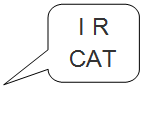
It’s so important to have correct grammar when talking - otherwise, like this cat, no one’s going to be able to understand you!
So first let’s learn how होना honaa changes and then we’ll see a bunch examples - does that sound like a good idea? Here we’ll use what we learnt from Lesson #15 Pronouns, if you can’t remember that lesson then go back to it and revise over it! So are you ready to get going? Deep breath!
मैं हूँ main hoon - I am
हम हैं ham hain - We are
तू है too hai - You are (Intimate)
आप हैं aap hain - You are (Formal)
तुम हो tum ho - You are (Casual)
(Remember we learnt in Lesson #15 Pronouns that Hindi has three different word for 'you’ - so if you can’t remember their difference head back to that lesson!)
यह है yeh hai - He / She / This is (Near)
ये हैं ye hain - These / They are (Near)
वह है voh hai - He / She / That is (Far)
वे हैं ve hain - Those / They are (Far)
Phew! How was there? There’s a lot to remember don’t you think? Well actually there’s just three (and a bit) rules you really need to know -
- हूँ hoon means 'am’. So whenever you want to say 'I am’ you’ll say मैं हूँ main hoon.
- है hai means 'is’. So whenever you want to say 'is’ you’ll say है hai
- हैं hain means 'are’. So whenever you want to say 'are’ you’ll say हैं hain.
There’s two exceptions to this though; We use हो ho for तुम tum and we use है hai for तू too. It can be tricky to remember I know so keep practicing and you’ll get there!
Now do you think you’re ready for a few examples? Before we start there’s one thing you need to know - in Hindi the always verb comes at the end of the sentence! This means we literally say “I Nita am” or “this house is”. This can be super confusing to new learners so be sure to go through the examples slowly!

मैं निता हूँ main neetaa hoon - I am Nita
Can you see what’s happened here? If you don’t know, निता nitaa is a common girls name in india. Remember we are literally saying “I Nita am”. Ready for another example?

वे किताबें हैं ve kitaaben hain - They are books

यह बिल्ली है yeh billee hai - This is [a/the] cat

आप कैसे हैं? aap kaise hain? - How are you?
We’ve learnt this phrase, “how are you?”, and how to reply to it, already in Lesson #17 - so feel free to check it out!
Phew ok! How’s that? Can you follow the examples? There might be some words you don’t understand in the sentences but don’t worry, just make sure you can spot the होना honaa and how and why it’s changed in each sentence! Try writing your own sentences and leave them as a comment below for practice!


